 hemal
hemalThe Quantum Leap: Exploring the Potential of Quantum Computing
The world of computation is on the cusp of a revolution. We are moving beyond the limitations of classical computers and entering the era of quantum computing. This groundbreaking technology leverages the principles of quantum mechanics to perform complex calculations at speeds previously unimaginable. This article delves into the fascinating world of quantum computing, exploring its underlying principles, potential applications, current challenges, and the transformative impact it promises to have on various industries. We will examine the core concepts that differentiate quantum computers from their classical counterparts, highlight specific areas where quantum computing could revolutionize our lives, and assess the hurdles that researchers and engineers are actively working to overcome. Prepare to journey into a future where the impossible becomes possible.
Underlying Principles of Quantum Computing
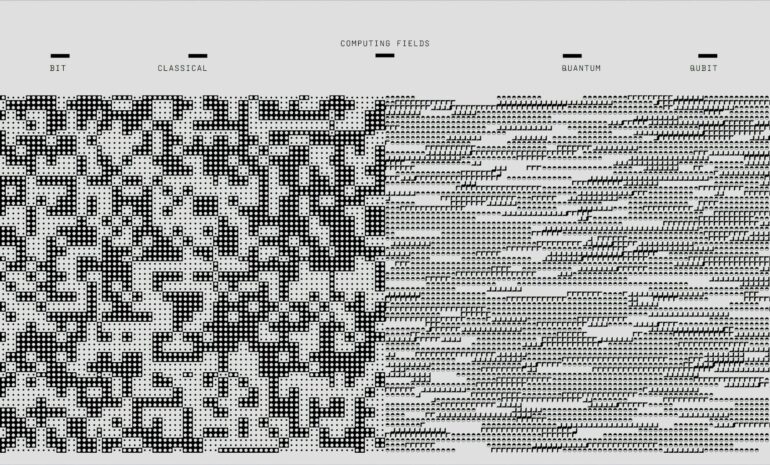
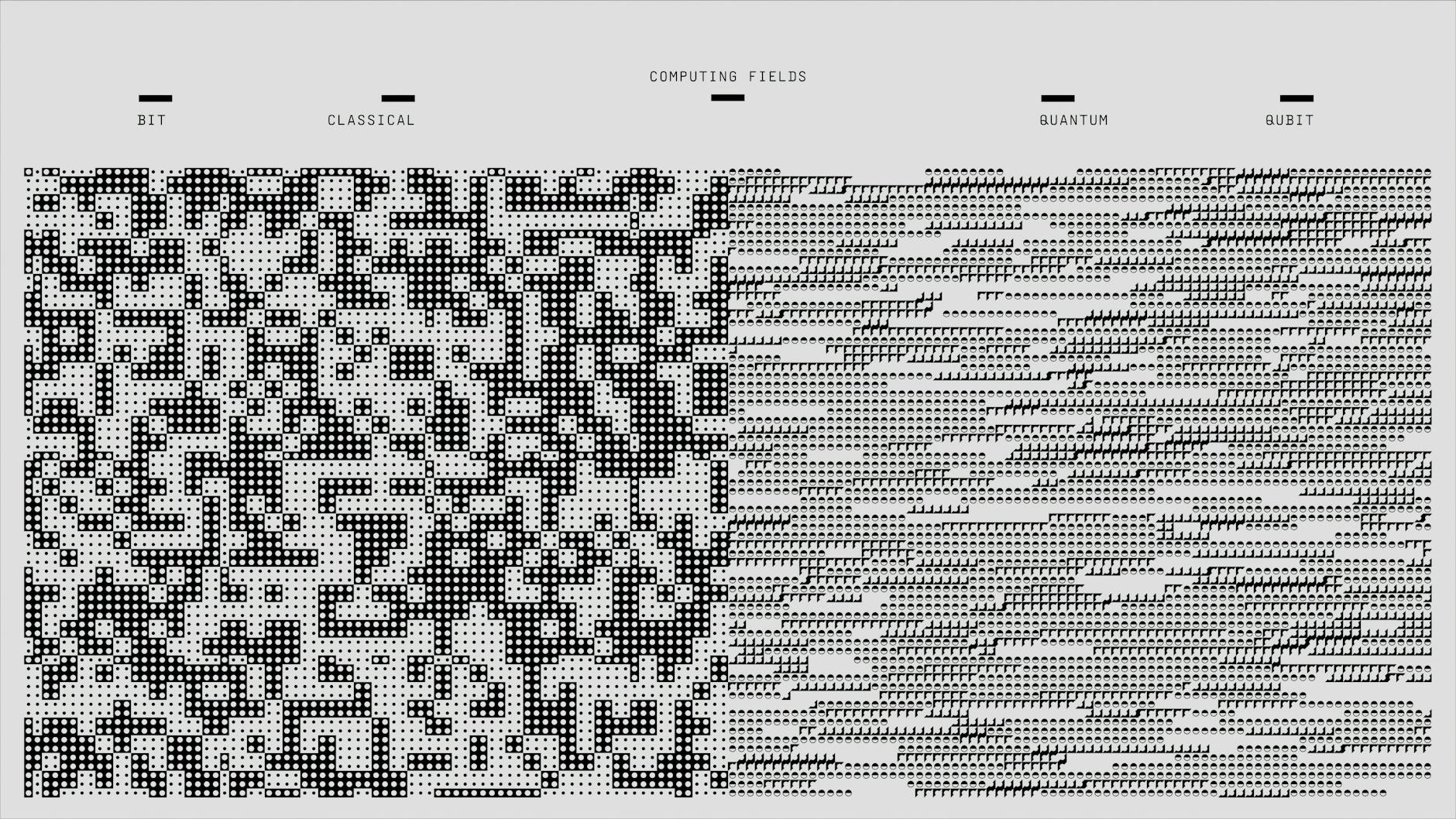
At its heart, quantum computing operates on the principles of quantum mechanics, a realm governed by rules that defy our everyday intuition. Unlike classical computers, which store information as bits representing 0 or 1, quantum computers utilize qubits. These qubits leverage two key quantum phenomena: superposition and entanglement. *Superposition* allows a qubit to exist in a combination of 0 and 1 simultaneously, dramatically increasing computational possibilities. *Entanglement* links two or more qubits together, allowing them to share the same fate regardless of the distance separating them. This interconnectedness enables parallel processing on an unprecedented scale. Moreover, quantum computers use quantum algorithms, such as Shor’s algorithm for factoring large numbers and Grover’s algorithm for searching unsorted databases, designed to exploit these quantum properties to solve problems that are intractable for classical computers. These algorithms offer exponential speedups for certain computations.
Potential Applications Across Industries
The transformative potential of quantum computing spans a multitude of industries. One of the most significant areas is drug discovery and materials science. Quantum computers can simulate molecular interactions with far greater accuracy than classical computers, enabling scientists to design new drugs and materials with specific properties. Financial modeling is another sector poised for disruption. Quantum algorithms can optimize portfolio management, detect fraud, and analyze complex market data, providing a significant competitive advantage. Artificial intelligence and machine learning will also benefit from quantum computing’s power. Quantum machine learning algorithms can accelerate the training of complex models and improve pattern recognition capabilities. Furthermore, logistics and supply chain optimization, cryptography (including both code-breaking and secure communication), and climate modeling are all areas where quantum computers can make substantial contributions.
Current Challenges and Hurdles
While the potential of quantum computing is immense, several significant challenges stand in the way of its widespread adoption. One of the biggest hurdles is *quantum decoherence*. This phenomenon causes qubits to lose their quantum properties and revert to classical states, which limits the time a quantum computer can perform calculations. Building and maintaining stable, error-free qubits is a complex engineering feat that requires extremely low temperatures and isolation from external noise. Moreover, the development of quantum algorithms is still in its early stages. Designing and implementing effective quantum algorithms for a wide range of problems requires a deep understanding of both quantum mechanics and computer science. Finally, the cost of quantum computers is extraordinarily high, making them currently inaccessible to most individuals and organizations.
The Future of Quantum Computing
The future of quantum computing is incredibly bright, despite the challenges that remain. Researchers and engineers worldwide are actively working to improve qubit stability, develop new quantum algorithms, and build more powerful and accessible quantum computers. The field is experiencing rapid advancements, with significant progress being made in various areas, including:
* **Qubit Technology:** Development of more stable and reliable qubits using different technologies (e.g., superconducting qubits, trapped ions, photonic qubits).
* **Quantum Software:** Creating user-friendly software and programming languages for quantum computers, making them easier to use.
* **Quantum Hardware:** Designing and building larger and more powerful quantum computers with more qubits and improved coherence times.
| Aspect | Classical Computing | Quantum Computing |
| ——————— | —————————————— | ———————————————————– |
| Fundamental Unit | Bit (0 or 1) | Qubit (0, 1, or both simultaneously – superposition) |
| Speed | Limited by transistor speed | Exponential speedup for certain types of calculations |
| Computational Power | Scalable, but limited by physical constraints | Vastly more powerful for complex problems |
| Applications | General-purpose, wide range | Specialized for complex problems (e.g., optimization, simulation) |
| Current State | Mature, widely available | Emerging, still under development |
Conclusion
In conclusion, quantum computing represents a paradigm shift in how we approach computation. By harnessing the principles of quantum mechanics, this technology promises to solve complex problems that are currently intractable for classical computers. From accelerating drug discovery and materials science to revolutionizing financial modeling and artificial intelligence, the potential applications of quantum computing are vast and far-reaching. While significant challenges related to qubit stability, algorithm development, and cost remain, the rapid pace of innovation suggests that these hurdles will eventually be overcome. As the technology matures and becomes more accessible, quantum computing will undoubtedly reshape industries and transform our world, offering unprecedented opportunities for scientific discovery and technological advancement. The quantum leap is not just a scientific endeavor; it’s a journey into a future where the limits of what’s possible are constantly redefined.
Image by: Google DeepMind
https://www.pexels.com/@googledeepmind