 hemal
hemalQuantum Computing: The Future of Processing Power
The world of computing is on the cusp of a revolution. For decades, we’ve relied on classical computers, based on bits that represent 0 or 1. Now, a groundbreaking technology promises to shatter the limitations of these machines: quantum computing. This new paradigm utilizes the principles of quantum mechanics, enabling computations that are impossible for even the most powerful supercomputers today. This article will explore the fascinating world of quantum computing, delving into its fundamental principles, current applications, the challenges it faces, and its potential to reshape industries from medicine and materials science to finance and artificial intelligence. We will examine how qubits, superposition, and entanglement unlock unprecedented computational power, paving the way for a future where complex problems become solvable in a fraction of the time.
Quantum Bits and Superposition
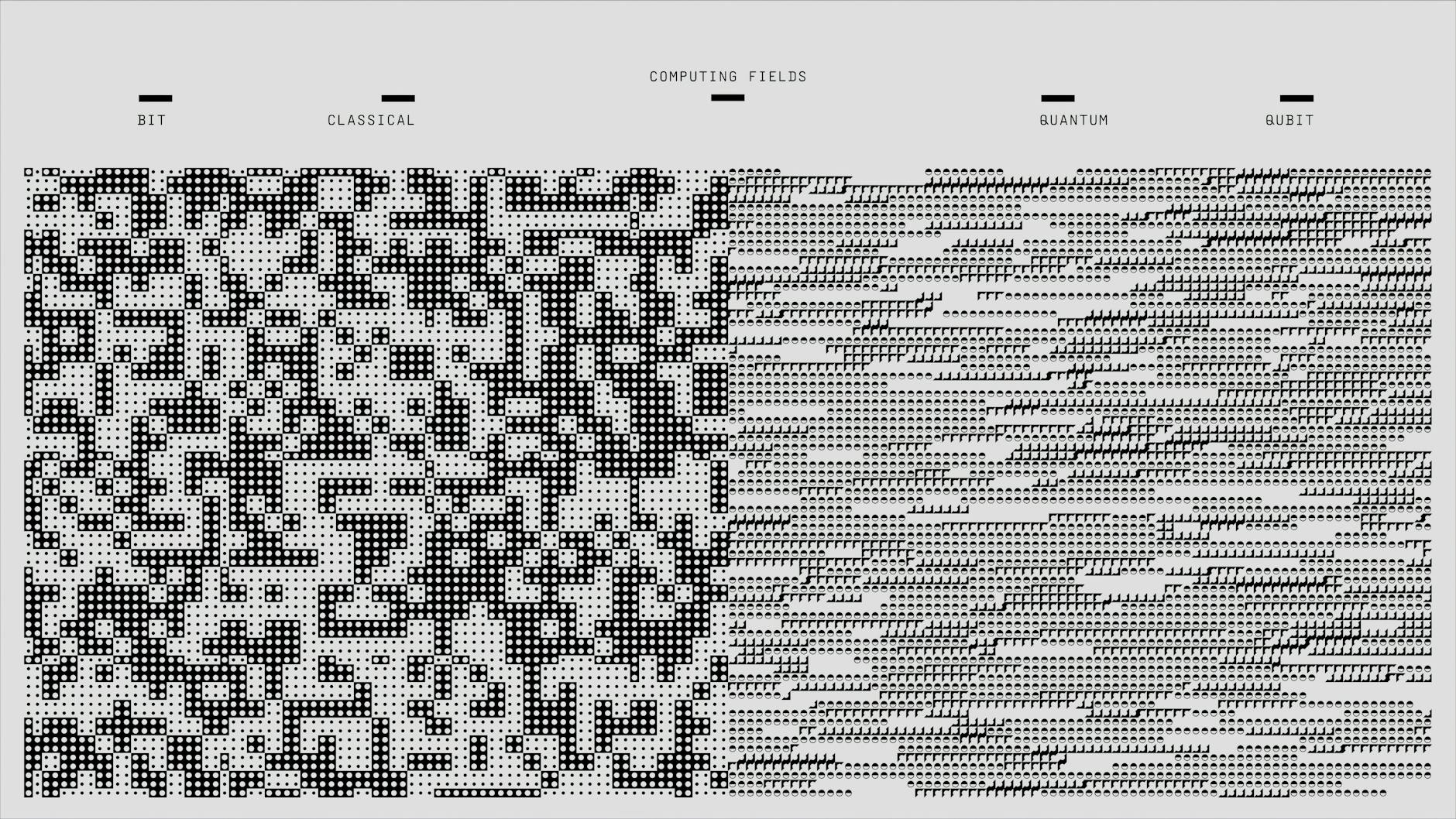
Classical computers store information as bits, which are either 0 or 1. Quantum computers, however, use quantum bits, or qubits. Qubits leverage the principles of quantum mechanics, specifically superposition. This allows a qubit to exist in a combination of both 0 and 1 simultaneously, unlike a classical bit which can only be one value at a time. This characteristic dramatically increases the computational possibilities. Imagine flipping a coin: before it lands, it’s both heads and tails at the same time. This is analogous to a qubit in superposition. Furthermore, the property of entanglement adds another layer of complexity and power. Entangled qubits become linked, their fates intertwined regardless of the distance separating them. Measuring the state of one instantly influences the state of the other, enabling incredibly fast and efficient computations. This ability to explore multiple possibilities simultaneously and leverage entanglement is what gives quantum computers their potential for unparalleled processing power.
Unlocking Computational Power: Algorithms and Applications
The unique characteristics of qubits allow for the development of quantum algorithms that are exponentially faster than classical algorithms for certain types of problems. For example, Shor’s algorithm could break the encryption currently used to secure much of the internet. Grover’s algorithm provides a quadratic speedup for searching unsorted databases, potentially revolutionizing data analysis. These algorithms demonstrate the potential for quantum computers to surpass the capabilities of classical computers in specific areas. The applications of quantum computing span across many industries. In medicine, it can accelerate drug discovery by simulating molecular interactions. In materials science, it can design new materials with tailored properties. In finance, it can optimize portfolio management and risk analysis. In artificial intelligence, it can enhance machine learning algorithms, leading to breakthroughs in areas like pattern recognition and natural language processing. The following table provides some specific examples:
| Application | Potential Benefit |
| ——————— | ——————————————————————————– |
| Drug Discovery | Faster simulation of molecular interactions, accelerating drug development. |
| Materials Science | Design of new materials with tailored properties (e.g., superconductors). |
| Financial Modeling | Optimization of portfolio management and risk analysis. |
| Artificial Intelligence | Improved machine learning algorithms, leading to advances in AI. |
| Cryptography | Breaking existing encryption methods; creating new, quantum-resistant encryption. |
Challenges and the Path Forward
Despite its enormous potential, quantum computing faces significant challenges. Building and maintaining stable qubits is incredibly difficult. Qubits are extremely sensitive to their environment, and any interaction with the external world can cause them to lose their quantum properties, a phenomenon called decoherence. Error correction is also a major hurdle, as the delicate nature of qubits makes them prone to errors. Current quantum computers are still in their early stages of development, with limited qubit counts and significant error rates. Another challenge lies in developing the necessary software and algorithms to fully harness the power of quantum computers. The field is still relatively young, and there is a need for more researchers and developers to create the tools and applications that will unlock its full potential. Furthermore, the high cost of quantum computers and the specialized expertise required to operate them pose significant barriers to widespread adoption. Overcoming these challenges will require continued research, innovation, and collaboration between scientists, engineers, and industry professionals.
The Quantum Future
In conclusion, quantum computing represents a paradigm shift in processing power, promising to revolutionize numerous fields. By harnessing the principles of quantum mechanics, this technology allows us to solve complex problems that are currently intractable for classical computers. Qubits, superposition, and entanglement are the cornerstones of this new era of computation. While significant challenges remain, including the need to stabilize qubits, reduce error rates, and develop new algorithms, the potential benefits are immense. From accelerating drug discovery and designing new materials to optimizing financial models and advancing artificial intelligence, quantum computing has the power to transform the way we live and work. As the field matures, we can anticipate further advancements in hardware, software, and applications. The future of computing is quantum, and it’s a future filled with unprecedented possibilities.
Image by: Google DeepMind
https://www.pexels.com/@googledeepmind