
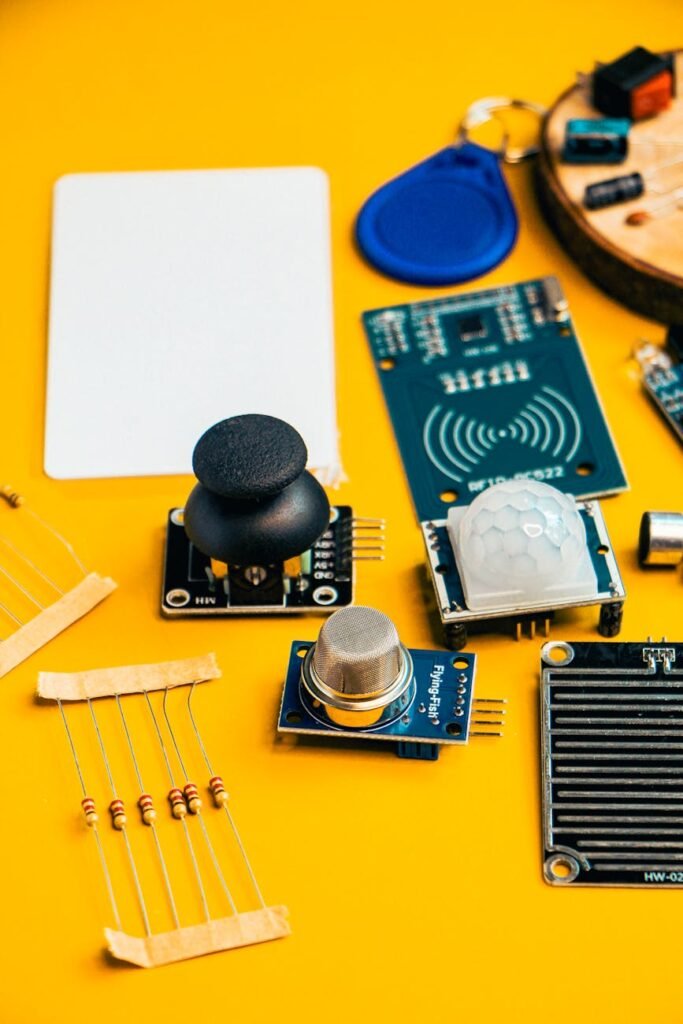
Edge Intelligence: Revolutionizing IoT with AI at the Source
Edge Intelligence: Revolutionizing IoT with AI at the Source Imagine a world where your smart devices – from industrial sensors to wearable health trackers – make instant, intelligent decisions without sending data to the cloud. This isn’t science fiction; it’s the reality of Edge Intelligence. The limitations of cloud-only processing have driven a critical need for processing data closer to the source, closer to the “edge” of the network. This blog explores how edge intelligence is transforming the Internet of Things (IoT), unlocking unprecedented capabilities, and driving innovation across various industries. We’ll delve into the benefits, applications, and future trends of this powerful technology. Get ready to understand how AI is moving from the cloud to the device and reshaping the future of connected systems. | Edge Intelligence IoT What is Edge Intelligence? Edge intelligence, also known as edge computing, is the practice of processing data closer to where it’s generated—at the edge of the network. Unlike traditional cloud computing, where data is sent to a centralized data center for analysis, edge intelligence brings the processing power directly to the IoT device or a nearby edge server. This involves deploying AI models, machine learning algorithms, and other computational tasks on devices like gateways, routers, or dedicated edge servers. The result is faster response times, reduced latency, improved privacy, and enhanced security. It’s a fundamental shift in how we approach data processing, particularly in the rapidly expanding IoT landscape. Key Components of an Edge Intelligence System An effective edge intelligence system comprises several key components working in synergy. These components include: Edge Devices: These are the physical devices generating data and performing some initial processing. Edge Servers/Gateways: These act as intermediaries, processing data received from edge devices and forwarding it to the cloud when necessary. AI Models: Pre-trained or custom-built AI models that power the intelligent decision-making capabilities. Data Management Platform: Handles data ingestion, storage, and retrieval at the edge. Connectivity Infrastructure: Reliable network connections enabling data transfer between edge devices and the cloud, or within the edge network. For example, a smart factory might utilize edge devices to monitor machine performance. The edge server then performs immediate anomaly detection, triggering alerts before a potential breakdown occurs, while sending detailed reports to the cloud for long-term analysis and predictive maintenance. This streamlined approach dramatically reduces downtime and improves overall operational efficiency. Benefits of Edge Intelligence for IoT Applications The adoption of edge intelligence offers a multitude of benefits for organizations leveraging IoT. These advantages significantly contribute to improved efficiency, cost reduction, and competitive advantage. Reduced Latency and Improved Real-Time Performance One of the most compelling benefits of edge intelligence is its ability to drastically reduce latency. By processing data locally, edge devices eliminate the delay associated with sending data to the cloud and back. This is critical for applications requiring real-time responses, such as autonomous vehicles, industrial automation, and remote healthcare monitoring. Consider self-driving cars – every millisecond counts in making safe driving decisions. Edge processing allows for instant reactions to changing road conditions, ensuring passenger safety. Enhanced Privacy and Security Edge intelligence enhances data privacy and security by minimizing the amount of sensitive data transmitted to the cloud. By pre-processing data at the edge, companies can filter, anonymize, or encrypt information before it leaves the device, reducing the risk of data breaches and complying with stricter data privacy regulations like GDPR. For instance, a smart camera system can analyze video feeds locally to identify suspicious activity, alerting security personnel without transmitting raw video footage to the cloud, preserving user privacy. Cost Optimization and Bandwidth Reduction Sending vast amounts of data to the cloud can be expensive, especially for IoT deployments. Edge intelligence reduces bandwidth consumption by processing data locally, minimizing the amount of data that needs to be transmitted. This translates to significant cost savings in network infrastructure and data storage. Furthermore, edge processing can offload computationally intensive tasks from the cloud, optimizing cloud resources and lowering cloud computing costs. Think of a fleet management system – centralizing processing at the edge of each vehicle eliminates the need to transmit every sensor reading to a central server, significantly reducing data transfer fees. Improved Reliability and Resilience Edge deployments enhance the resilience of IoT systems. Even if the connection to the cloud is temporarily disrupted, edge devices can continue to operate and perform local processing. This ensures continued functionality and prevents data loss. This is particularly crucial in remote or unreliable network environments. For example, a remote environmental monitoring station can continue to collect and analyze data even without a stable internet connection, triggering alerts when conditions deviate from pre-defined thresholds. Applications of Edge Intelligence Across Industries Edge intelligence is disrupting industries across the board, unlocking new possibilities and driving innovation. Here are some notable examples: Industrial Automation In manufacturing, edge intelligence enables predictive maintenance, real-time quality control, and optimized production processes. By analyzing sensor data from machinery and equipment, edge devices can detect anomalies, predict failures, and trigger preventative maintenance actions. This reduces downtime, improves product quality, and enhances overall operational efficiency. For example, a CNC machine could analyze vibration data at the edge to detect potential bearing failures before they occur, minimizing costly repairs. Smart Cities Edge intelligence is transforming urban environments by enabling smarter traffic management, efficient energy consumption, and enhanced public safety. Smart streetlights can adjust brightness based on real-time traffic conditions and pedestrian activity—all processed at the edge. Similarly, intelligent waste management systems can optimize collection routes based on fill levels, reducing fuel consumption and emissions. Smart parking systems utilize edge processing to guide drivers to available parking spots, reducing congestion. Healthcare Edge intelligence is revolutionizing healthcare by enabling remote patient monitoring, personalized medicine, and improved medical diagnostics. Wearable devices can analyze vital signs and other health data at the edge, alerting healthcare providers to potential emergencies. Remote diagnostics tools can analyze medical images and other data locally, providing faster and more accurate diagnoses. Edge processing also enables secure data sharing between healthcare providers without